
It’s hot, dry, and windy in the desert Southwest, and wind can be surprisingly detrimental to plants in both obvious and hidden ways. Here are the ways wind is tough on desert plants, and steps you can take to minimize its effect.

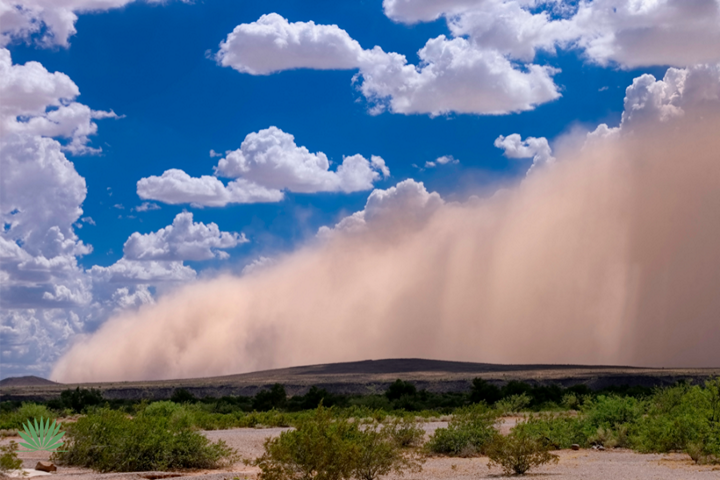
When you acquire a new plant, you probably take sun exposure and cold hardiness into account. But another factor that’s not on any plant label is wind tolerance. Wind exacerbates the harmful effects of heat, drought, and cold, and also does significant damage to plants on its own.
And it doesn’t have to be microburst or haboob-level wind that hurts your plants. The daily sandblasting can wear on them as well.
Let’s look at the ways wind adversely affects plants, starting with the most obvious ones. Then I’ll follow up with some steps you can take to mitigate wind damage to your plants.
#1 Physical Damage
Physical damage is the most obvious effect of wind on plants — shredded leaves, tattered flowers, broken branches, and uprooted trees. Wind can blow flowers or young fruits off of fruit trees, spoiling next season’s harvest.
High winds along with rain-soaked soil often leave a trail of fallen trees after monsoon storms.

More wind means less pollination. Wind quickly dries out delicate flowers, making them less attractive and useful to pollinators. This is frustrating if you intentionally grow desert landscape plants to support hummingbirds, bees, butterflies, and other pollinators, or if you are trying to grow edibles that rely on insect pollination.
#2 Stunted Growth
Constant wind can slow plants’ growth rate, reduce their mature size, and alter their shape.
Wind stressed plants grow more slowly. They have shorter, thicker stems and smaller leaves and flowers. One study found that 15 mph winds can reduce flower size by 50%.
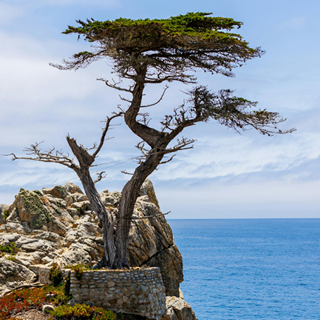
You may recognize the picture below of “Lone Cypress,” an iconic tree of coastal California that is one of the most famous and photographed trees in the world. It is also an extreme example of a tree that’s been shaped by the wind.
Has it seemed windy lately?
If you live in Arizona, check your daily wind speeds
at this University of Arizona weather summary page.
#3 Increased Evapotranspiration
Desiccating wind increases a plant’s need for water by intensifying the effects of evaporation and transpiration, together known as evapotranspiration.
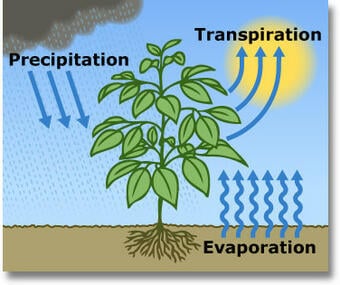
Evaporation is straightforward. Heat, sun, low humidity, and wind cause water to evaporate from the soil. When all of these forces are simultaneously at play, evaporation happens fast.
Transpiration is the process by which plants move water from their roots to their leaves. Water vapor is released through pores called stomata to help keep plants cool in hot weather. Wind, along with heat, sun, and aridity, speeds up this process.
When plants transpire faster than they can pull up water from their roots, stomata close to limit water loss. This shuts down photosynthesis and interferes with plants’ ability to cool off. If this happens repeatedly, plants will struggle and may not make it.
#4 Dust, Pests, & Chemical Damage
Wind can indirectly damage your plants in unforeseen ways.
Dry, windy conditions make for dusty plants. And dusty plants are not happy plants. Dust clogs their stomata which affects transpiration. And dust encourages spider mites, a common pest that thrives in hot, dry, dusty conditions.
Wind can cause sprayed garden chemicals to drift. And even if you don’t use herbicides or other garden chemicals, your neighbors might. A common problem caused by herbicide drift is witches’ broom, which manifests in weird, unsightly growths on plants.

Continual sandblasting causes microinjuries to leaf surfaces that can be an entry point for various diseases.
Wind is also how some insect pests move from plant to plant. At certain stages in their life cycle, aloe mites and cochineal, which infests prickly pear cactus, travel this way.
How to Minimize Wind Damage
While you can’t stop the wind, here are some ways you can minimize its effects in your garden.
Man-Made Structures
Putting up a structure such as a wall, fencing, or pergola is a time-proven, permanent way to break the wind, but this may be more of a project than you had in mind.
A simpler, more affordable way to protect an area such as a patio or vegetable garden is with shade cloth or windscreen fabric.
Shrubs
Arizona rosewood and hop bush are large native shrubs that make good windbreaks. The University of Arizona has a publication with more living windbreak suggestions here.
(Avoid planting oleander, which is sometimes recommended as a windbreak. You can learn more about the problems with oleanders here.)
Ornamental Grasses
Tall ornamental grasses are another excellent and attractive windbreak option. Some of the taller grasses that thrive in the desert include big muhly, deer grass, and bear grass (which is grass-like but not actually a grass).
The only downside is that grasses are usually hard pruned in late winter, leaving your yard temporarily unprotected from wind.
Bamboo
An interesting option in the right situation is bamboo — not the invasive kind, but the clumping kind. Visit Tucson’s Bamboo Ranch website to learn more about the various kinds of bamboo that can serve as windbreaks, don’t use a lot of water, and don’t spread aggressively.
Note that most species are very tall, and probably not appropriate if you have a typical urban or suburban yard.
Make Your Trees Storm Proof
You can take steps to make the trees you have more storm proof. This means proper watering, pruning, and staking. If you aren’t sure what proper pruning and staking mean, consider hiring a certified arborist rather than a so-called landscaper or trying to do it yourself. An arborist will ward off any potential problems and is an investment that pays for itself many times over.
Additionally, change what you think a tree should look like. Single trunk “lollipop” trees are top-heavy and more prone to wind damage. Look around next time you take a hike. You’ll notice that you never see single-trunk trees growing in the wild. This is not a coincidence!
Avoid Susceptible Plants
And finally, avoid growing plants known to be susceptible to wind and storm damage, such as Desert Museum palo verde, willow acacia, and non-native mesquites.
Avoid growing plants with brittle wood such as mulga acacia, lemon bottlebrush, and slim bottlebrush. I lost a slim bottlebrush that split in two in the wind. I was devastated. 😢
Brittlebush is a native shrub that really is brittle. (I love it when common names make sense!)
As an Amazon Associate, Southwest Gardener earns from qualifying purchases, at no cost to you.
See our Terms of Use for details.
Did you enjoy this article?
Sign up for our weekly newsletter
where you’ll find more great info on creating &
maintaining a beautiful, carefree desert landscape.
Author Bio
Deane Alban is the creator of Southwest Gardener. She is a science writer with a bachelor’s degree in botany from the University of South Florida. Gardening is her lifelong passion. She’s been gardening in Tucson for over 16 years.
