
Neem oil is a natural, versatile insecticide that breaks down fast in the environment and can treat many common insect pests. But it has some big drawbacks, too, including issues that impact its safety and effectiveness. Learn more so you can decide whether it’s the answer to your pest problems.

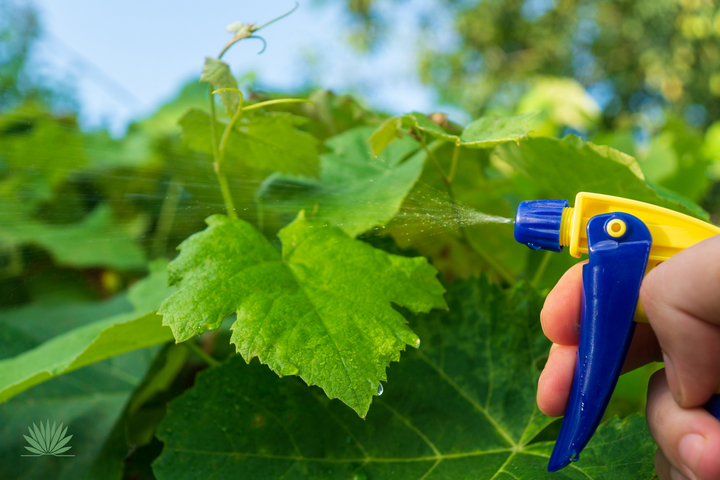
Neem oil is a pesticide that might sound like a gardener’s panacea.
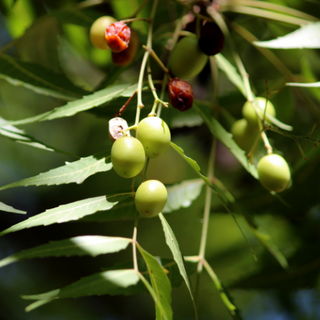
It’s natural. It’s derived from the seeds of the neem tree (Azadirachta indica), a native of the Indian subcontinent.
It’s versatile. It’s said to work on over 200 pests, but is most effective on soft-bodied chewing insects such as aphids, mealybugs, scale, spider mites, and whiteflies — the nemeses of many desert gardeners. It’s also useful in controlling mites and fungal diseases such as powdery mildew.
It breaks down quickly, and does not accumulate in the soil or water.
So far, it sounds pretty good…
But there are some big drawbacks you should know about before giving it a try. And there is one concerning issue that involves the quality of neem oil products and why most neem oil brands are not as effective as they should be.
#1 It Should Not Be Used in Hot Weather (Say what?!)
Neem oil should not be used during hot weather or on a sunny day since it can burn plant leaves and flowers. This is a problem, since it’s during hot weather that you’re most likely to need it!
The general rule of thumb is not to apply neem oil when the temperature is above 85 to 90°F. That greatly limits the days you can use it, since we experience 90s from March through October.
Gardeners’ complaints about neem oil burning their plants are common.
#2 It’s Not Selective — Kills Good Bugs & Bad
Neem oil is not selective and kills any insect it comes in contact with — both good bugs and bad.
It works via two pathways.
First, when insects eat neem-coated leaves, the neem oil interferes with their hormones, preventing them from growing, laying eggs, and feeding. It takes time to kill them this way.
Neem also works by smothering insects that are sprayed directly. This includes both the pests you are trying to get rid of and any other insects on your plants, including beneficial insects such as bees, ladybugs, and butterfly caterpillars.
According to the University of California’s Integrated Pest Management Program, you can minimize the risk of spraying beneficial insects by:
- Spraying early in the morning or late in the evening when they are less active.
- Avoid spraying plants that are flowering.
Of course, this is still going to kill any beneficial insect’s eggs, larvae, or caterpillars.
Never spray milkweeds with any insecticide including neem, soap, or Bt.
Spraying will harm butterfly larvae along with insect pests.
#3 There are Many Cautions
There are many cautions — for both you and your plants. Here are some that I found on various neem oil product labels and safety data sheets.
- Do not apply to stressed or newly planted plants.
- Do not apply to seedlings.
- Always test any plant for leaf burn prior to use, especially those known to be sensitive. Plants that fall into this category include ferns, succulents, herbs, impatiens, fuchsia, hibiscus, roses, and olive trees.
- Limit applications to early morning or late evening to minimize the potential for leaf burn.
- This product is toxic to bees exposed to direct treatment. Do not apply this product while bees are actively visiting the treatment area.
- Neem oil may be toxic to fish and other aquatic life, so caution should be taken around ponds or streams.
- Avoid skin and eye contact, and avoid inhaling.
While neem oil is sometimes used in personal care products (i.e., toothpaste, soap, shampoo), it can cause allergic reactions and contact dermatitis in some people. When I’ve gotten neem oil on my hands, it’s made them unbearably itchy. This Safety Data Sheet states that it may cause itching, rashes, hives, redness, and eye irritation.
#4 Most Brands Don’t Work (here’s why)
On top of all this, many gardeners report that neem oil is not all that helpful. At best, it’s no more effective, cost-effective, or safe than other natural remedies. And many have found that it flat out didn’t work for them.
The problem might not be with neem oil, per se, but with the products these gardeners were using. There are 2 kinds of neem oil sold for treating insect pests, and the most common one has had the active ingredient removed!
2 Kinds of Neem Oil (& which one doesn’t work)
If you’re still interested in trying neem oil, make sure you buy one that has the best chance at being effective. One reason neem oil doesn’t always work may be due to the quality of the product. Not all neem oil products are the same.
There are two types of neem oil products, and one is significantly more effective than the other.
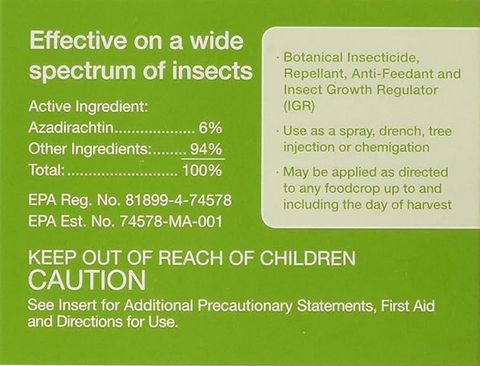
Extract of neem oil contains azadirachtin, the most active compound for repelling and killing pests. It works as a systemic, interfering with insect hormonal systems. It can also act as a repellent, and some insects are killed by direct contact with it.
You’d like to think that all neem oils contain this active ingredient, but that’s not the case.
Most neem oils sold are “clarified hydrophobic” neem oil. This means the azadirachtin, the main active ingredient, has been removed. So these products work only by one mechanism — smothering insects, as any horticultural oil would.
This is one plausible explanation for why some gardeners have found that neem oil doesn’t work — they bought a clarified hydrophobic neem oil.
When shopping, you’ll find many buzzwords on neem oil labels — pure, natural, organic, cold pressed, nano-enhanced, and Azadirachta (i.e., the plant’s genus). But the word that matters is azadirachtin. If the label doesn’t state it as an ingredient, you can assume it’s been removed.
When I delved into it, I was shocked to see how few brands state that they contain azadirachtin. Here are a few I found on Amazon that do.
And of these, only Azasol listed the percentage of azadirachtin on the label.
#5 It Smells Awful
And finally, the smell of neem oil has been compared to skunk, garlic, onion, sulfur, sewage, poop, and urine. 🦨 I think it smells like burning tires doused with Lysol.
The smell alone discourages me from using it. It lingers in your garden. If you get it on your hands, they will smell, too. (You can wear gloves, but then, of course, you have to wash your gloves.)
And forget using it on house plants. Ugh.
Vegetable gardeners report that it leaves a sticky, oil-soluble residue on food that is difficult to remove. You must wash your crops very thoroughly so that your food doesn’t smell and taste like neem.
Got a Potential Pest? What To Do Instead
If you notice your plant has an insect visitor, first identify it before treating it with anything.
Your knee-jerk reaction should not be to kill any bug you see on a plant. Some are innocuous and won’t harm your plant. Others are good guys in the garden, including those that become tomorrow’s butterflies. Using insecticides (even natural or DIY remedies) can harm beneficial insects as well as the pests. It’s important to know what you’re treating. You may do more harm than good with a shotgun approach.
Often, doing nothing is the best approach. Give the beneficial insects and birds a chance to help. Many insect pests such as aphids, leafrollers, and cochineal can be kept under control by simply giving them a hard spray of water.
And if your plants need a more aggressive solution, I recommend using a commercial insecticidal soap (not a DIY solution made with dish detergent). You can learn more about why it’s the safer and more effective choice in this article: Insecticidal Soap vs Dish Detergent: The Winner is Clear.
As an Amazon Associate, Southwest Gardener earns from qualifying purchases, at no cost to you.
See our Terms of Use for details.
Did you enjoy this article?
Sign up for our weekly newsletter
where you’ll find more great info on creating &
maintaining a beautiful, carefree desert landscape.
Author Bio
Deane Alban is the creator of Southwest Gardener. She is a science writer with a bachelor’s degree in botany from the University of South Florida. Gardening is her lifelong passion. She’s been gardening in Tucson for over 16 years.
