
Many desert gardeners inadvertently make their plants more susceptible to cold damage by not changing their maintenance routine in the fall. Discover four easy steps to protect your plants from cold damage this winter.
Like many desert transplants, I used to live in a temperate climate, and the main thing I remember about gardening in the fall was raking leaves! (Sound familiar? 😉)
But things are different in the desert. If you live in the hot, dry southwest, you still have to get your garden ready for winter, but the “to-do” list is quite different.
First, let’s take a quick look at what happens to your plants in the fall. It will help you understand how these steps will help your plants survive winter with less cold damage.
What Happens to Your Plants in Fall
While October usually still feels like summer, by November you should be experiencing noticeably shorter, cooler days. The sun is lower in the sky and less intense. All of these changes send signals to your plants to start getting ready for winter.
It’s not usual for plants to lose some or all of their leaves in the fall. Some desert plants are deciduous and always lose all their leaves. Others shed some of their leaves, which are no longer needed for photosynthesis. They may also drop older leaves or those that were damaged from heat, drought, or pests over the summer.
Plants start shunting water to their roots and trunks and away from leaves so that their cells don’t freeze. When water freezes, it expands, and this can cause cold damage in plants. The cells of some plants explode when full of water. In extreme cases, plants that are not cold-hardy completely collapse after the first freeze.
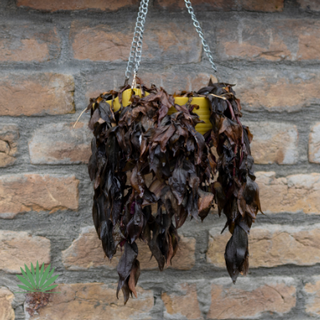
These are all normal responses to the change of season.
Why Warmer Falls Mean More Frost Damage
The last few falls have been warmer and longer. It might seem like a good thing when your plants continue to grow and flower. But when the cues for plants to shut down for winter aren’t missing, they continue to put out new growth which is more susceptible to cold damage.
This means that when freezes occur, they do more damage.
4 Steps to Prepare for Winter
Your garden isn’t completely at the whim of nature. Here are steps you can take to help your plants harden off and avoid cold damage.
1. Water Less Frequently
Continue to water trees, shrubs, perennials, vines, and deeply, but water less often. Too much water contributes to cold damage.
Overwatering in the winter can kill cactus and most other succulents, which go dormant then. Cold, wet soil will rot their roots.
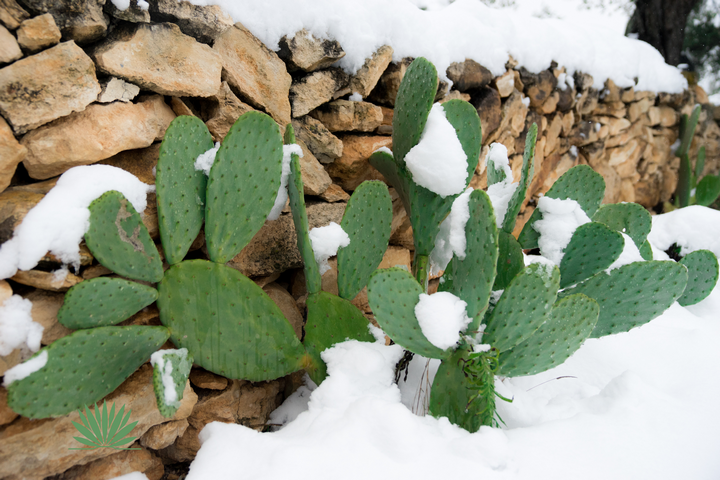
By the end of November, you can stop watering succulents such as hesperaloe, desert spoon, prickly pear, barrel cactus, and other cactus. Winter rains normally provide adequate water between fall and spring.
Not sure how often to water in the fall? Here are some basic guidelines.

Most people are shocked at how infrequently they should be watering, especially if they are using the landscaper’s default settings (i.e., 20 minutes three times per week). Unfortunately, giving your plants a little water frequently is not the best way to build healthy, resilient plants.
Recommended Reading:
7 Tips for Watering Landscape Cactus
How & Why to “Deep Water” Desert Plants
How to Water Desert Trees: How Often? How Much?
How to Water Desert Shrubs: How Often? How Much?
2. Stop Fertilizing
With the advent of cooler weather, you should stop fertilizing your landscape plants. Fertilizer encourages plants to push out new, frost-tender new growth. And there is little point in fertilizing plants that are dormant.
3. Don’t Prune
Just as you should stop fertilizing in the fall, you should also stop pruning cold-sensitive plants, which also encourages new growth.
And leaving some dead foliage on smaller plants such as ground covers, perennials, or ornamental grasses can help insulate them from cold damage.
But you can always prune any dead, diseased, or broken branches on shrubs or trees, especially if they pose a hazard.
4. Get Ready to Cover
Every fall, I have a hard time wrapping my head around the fact that the first frost could be right around the corner. (Wasn’t it hot a few weeks ago?)
Here’s what you can do to get ready for the first cold snap.
Learn Which Plants Are Cold Sensitive
First, learn which plants in your yard might need cold protection. Most desert landscape plants are sufficiently cold-hardy to withstand an occasional freeze, especially if they are native or are well-established.
Not every plant in your yard will have the same cold tolerance. Some, like snail vine or desert rose, show damage when the temperature drops below 50, while delicate-looking blackfoot daisy or Mexican evening primrose can survive temperatures down to -20℉!
You can find out which plants are frost-sensitive by referring to our Desert Plant Cold Hardiness Guide, which lists the cold tolerance of over 200 popular landscape plants.
Find Your First Frost Date
Second, learn when freezes are likely to occur so you can be ready. The average first frost date in Tucson is December 3, but it can happen earlier. You can find your first frost date by zip code here.
Have Frost Cloth On Hand
And finally, have what you need to protect your plants on hand before the first freeze, or you may find that stores have run out.
You don’t have to use frost cloth, but compared to using burlap or old sheets, it has some advantages. It lets in air and light, can be left up for days, and if there’s rain, it dries fast and won’t weigh your plants down.
Never cover your plants with anything made of plastic, such as a tarp or old shower curtain. Plastic does not insulate — it conducts cold — and can cause more damage than leaving plants bare.
Recommended Reading:
It’s Cold! Should I Cover My Plants?
Plants to Protect for Extended Winter Beauty
Did you enjoy this article?
Sign up for our weekly newsletter
where you’ll find more great info on creating &
maintaining a beautiful, carefree desert landscape.
Author Bio
Deane Alban is the creator of Southwest Gardener. She is a science writer with a bachelor’s degree in botany from the University of South Florida. Gardening is her lifelong passion. She’s been gardening in Tucson for over 15 years.
